
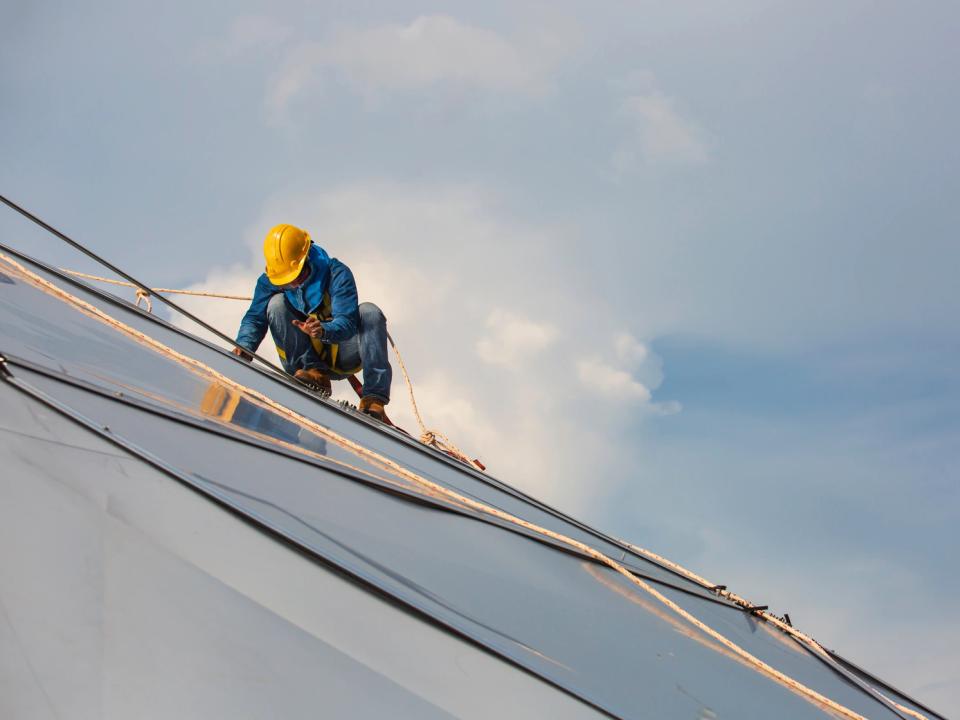
Employ Height Safety Equipment in the Workplace
This theory and practical, one-day course equips participants with the essential skills to safely select, use, and inspect height safety equipment in the workplace.
- Duration
- 1 day
- Topic
- Working at Heights
At a glance
Course details
Duration: 1 day
Unit Standards:
| Unit # | Name | Level | Credits |
|---|---|---|---|
| 25045 | Employ height safety equipment in the workplace | 3 | 4 |
Overview
Employ Height Safety Equipment in the Workplace course overview
Curriculum
What you'll cover
- Workers who need to use height safety equipment as part of routine maintenance, cleaning, plant operation, inspections, and servicing activities.
- Supervisors and team leaders overseeing work at height in non-construction environments.
- Facilities, utilities, and service staff working at height where fixed or temporary safety systems are already in place.
Our approach
+IMPAC's Employ Height Safety Equipment in the Workplace training approach
This course combines clear trainer-led explanation with practical application, so learners can understand not just what the equipment is, but how to use it properly in day-to-day work. Participants work through the decisions that matter on site, including how to identify suitable equipment for the task, how to recognise appropriate anchor points, and when fall restraint or fall arrest is the right control.
Training is grounded in the kinds of situations where people can get caught out through familiarity, rushed setup, or poor equipment checks. Learners discuss common height work situations, practise safe equipment use, and work through the steps needed to support rescue planning and emergency response on site.
Format
Course format and duration
Upcoming sessions
Public courses – Book now
There are no public sessions scheduled at this time. Please contact us to arrange in-house training or to be notified when new dates are available.
Want to discuss running Employ Height Safety Equipment in the Workplace at your organisation?
Enquire nowFAQ
Frequently asked questions
This course is best suited to workers and supervisors who use or oversee height safety equipment in day-to-day operations. That includes maintenance teams, cleaners, plant operators, inspectors, and service staff who need practical capability rather than high-level theory alone.
Workers using height safety equipment need the appropriate training, instruction, and supervision for the risks involved in the work being carried out. This training helps build capability around fall protection equipment, anchor selection, and safe work at height practices. Under the Health and Safety at Work Act 2015, PCBUs must ensure workers are competent to carry out the work safely.
No previous height safety qualification is required before attending. Learners do need to be at least 15 years old, have written and spoken English equivalent to NCEA Level 1 (Year 11) or an IELTS score of 5.5 or higher, and be able to complete assessment activities in a real workplace.
The course runs for 1 day, allowing time for practical equipment use, hazard management, and assessment activities.
Yes, this course includes one workplace-based assessment. Assessment must be completed in a real work environment and cannot be carried out in a simulated setting.
Yes. This course includes one assessment that must be completed in a real workplace at your site rather than in a simulated environment. Learners need to demonstrate they can apply height safety equipment, anchor, and safety requirements in real working conditions.
Learners who successfully complete the assessment are awarded NZQA Unit Standard 25045, which covers the safe use of height safety equipment in the workplace.
IMPAC recommends refresher training at least every two years to help workers maintain safe equipment use, hazard awareness, and confidence working at height. Some workplaces, clients, or industry requirements may require more frequent refresher training depending on the nature of the work and site risks.
No, NZQA unit standards remain on a learner’s Record of Achievement and do not expire. However, workplaces may still require refresher training or competency checks to help ensure height safety equipment is used correctly and safely over time.
No. This course is currently available for in-house delivery only. In-house training allows learners to complete the course within their own workplace environment and around the equipment and systems they use on site.
Please bring the following to training:
- Closed footwear
- A driver’s licence or another form of photo identification
Learners are encouraged to bring their own height safety equipment such as harnesses and lanyards if useful. IMPAC training equipment is available, however IMPAC harnesses are rated to 120kg (XXL).
In-house: $3000 + GST for up to 12 persons OR $3500 + GST for up to 14 persons.
Continue learning
Further study options
If you’re continuing your learning journey in health and safety, this course can contribute towards IMPAC’s Certificate in Applied Workplace Health and Safety Practices (Level 3), which leads to the New Zealand Certificate in Workplace Health and Safety Practice (Level 3).
This course is a elective module within the programme, allowing you to build on your existing training while working towards a recognised qualification over time. Browse all Working at Heights training courses.
This programme is approved by the New Zealand Qualifications Authority under section 439 of the Education and Training Act 2020, and Impac Services Limited is accredited to provide it under section 441 of the Education and Training Act.
What's next
Next steps
More courses
You might also like
Safe Working at Heights
This course provides learners with the knowledge and understanding of safe working practices when operating at height.
 Refresher course
Working at Heights Refresher
This course refreshes learners’ knowledge of work-at-heights unit standards to ensure compliance with current legislation and informs them of changes in best practices or equipment.
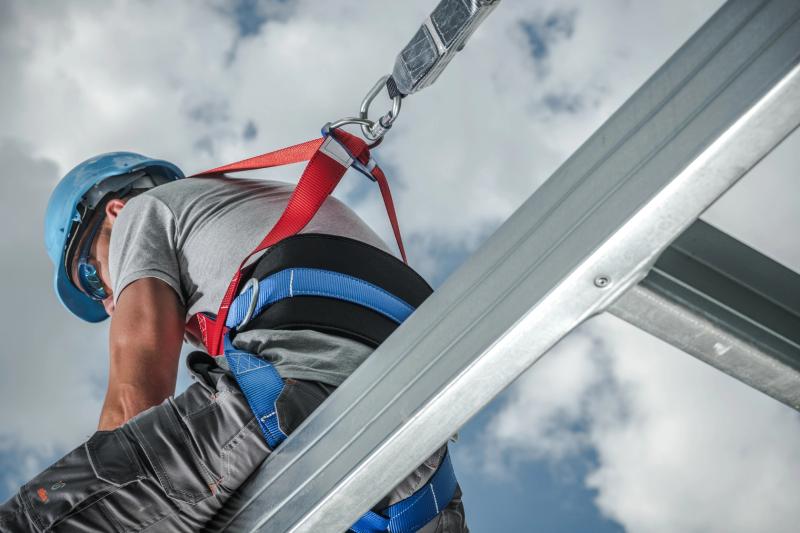
Height Safety Systems
This course provides participants with the knowledge and practical skills to safely use, install, and disestablish temporary proprietary height safety systems.