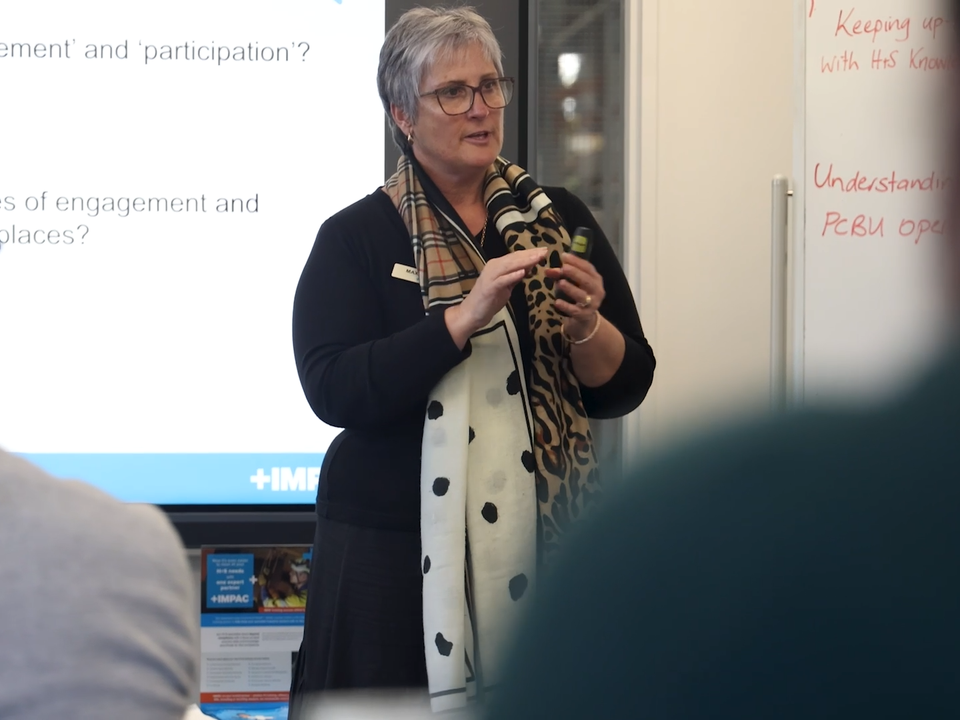


Health & Safety Representative Training
NZQA-aligned training to empower your HSRs—from foundational legal duties to advanced incident investigation and culture change.
NZQA-aligned training to empower your HSRs—from foundational legal duties to advanced incident investigation and culture change.


HSR Training
H&S Safety Rep Training overview
Slapping a “Health and Safety Rep” badge on someone and handing them a copy of the legislation won’t magically transform your workplace culture or give them the courage to stop an unsafe job.
We hear the same thing from the crews coming through our doors every week: the theory sets the baseline, but getting stuck into gritty, real-world scenarios is what actually makes it click. Across our entire HSR training pathway—from foundational legal duties and risk assessments to complex incident investigations and navigating communication barriers—we don’t just recite the Health and Safety at Work Act. Instead, we tackle the actual challenges your people face out on site.
Our learners consistently tell us that thrashing out these practical case studies strips away the guesswork and the finger-pointing. We aren’t here to hand out a certificate so you can tick a compliance box. We’re here to build the quiet, competent confidence that empowers your reps to step up, advocate for their workmates, and get the job done safely.
Key Focus Areas
What Reps Training covers
Legal duties and powers
Moving beyond the textbook to understand exactly how the HSWA 2015 applies on the ground, including the practical mechanics of issuing a Provisional Improvement Notice (PIN).
Hazard and risk assessment
Equipping reps to actively identify hazards and assess risks, cutting through the guesswork to implement controls that actually fit how work is done.
Incident investigation
Getting to the truth. We teach reps how to use frameworks like the 5W1H method to identify absent or failed defences, rather than just pointing fingers.
Culture and communication
Giving reps the tactical tools—like the DESC model—to navigate conflict, influence management, and drive genuine behavioural change across the organisation.
Applicable Safety Regulations
The role of a Health and Safety Representative in New Zealand is governed by a strict framework of legislation and guidance. Our training ensures your reps—and your business—are fully compliant.
- Health and Safety at Work Act 2015 (HSWA): The primary legislation outlining the duties of PCBUs, Officers, and Workers, and the legal powers granted to trained HSRs.
- Worker Engagement, Participation, and Representation Regulations 2016: Specific duties requiring PCBUs to facilitate robust worker involvement in health and safety matters.
- WorkSafe New Zealand Guidance: Practical expectations for how HSRs should operate, report hazards, and interact with the regulator.
- NZQA Unit Standards: Our HSR pathway delivers standards 29315, 30264, 17601, 30265, and 30266, ensuring nationally recognised competency.
Available Courses
Our Health & Safety Representative courses
Who Should Enrol
Industries and Roles
Elected Health & Safety Reps
From newly appointed reps needing their foundational Stage 1 training, to experienced HSRs looking to sharpen their skills with Stage 2 (Investigations) and Stage 3 (Culture).
Site and Operations Managers
Operational leaders who need to understand the legal powers of the reps on their sites, and how to engage with them constructively to resolve hazards and improve productivity.
Executives and PCBUs
Directors and business owners who need a clear line of sight from the boardroom to the frontline, ensuring they meet their legal obligations for worker participation.
FAQs
Frequently asked questions