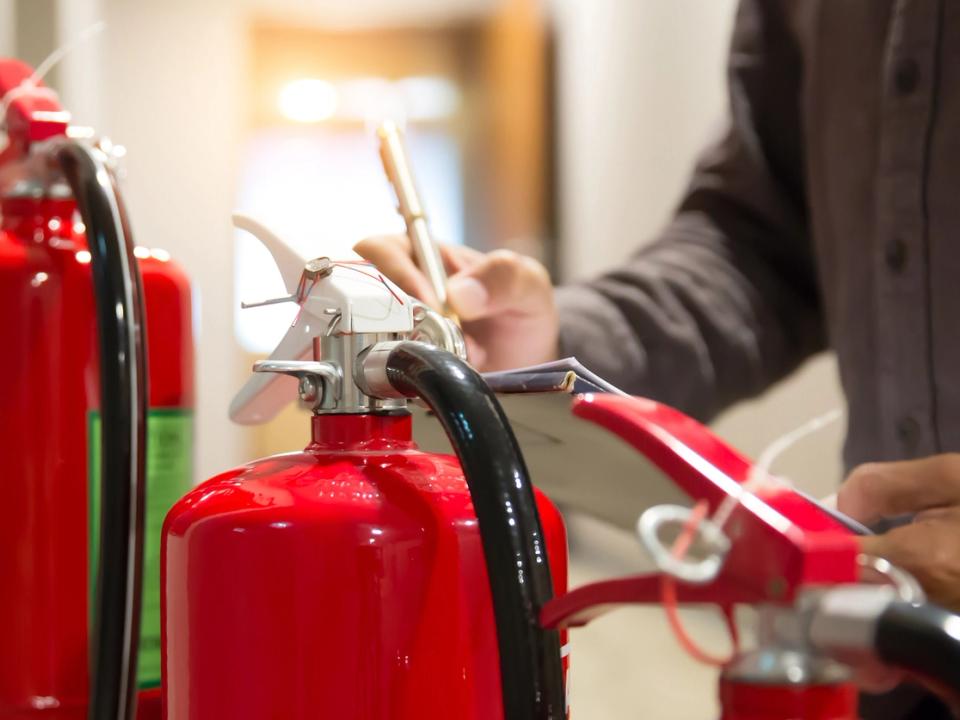


Fire Warden and Fire Extinguisher Training
Practical, real-world training that turns people into confident responders who recognise fire risks, act fast under pressure, and know exactly what to do when the alarm sounds.
When an alarm sounds, how people respond in the first few minutes can mean the difference between a contained incident and a disaster. Organisations need people who can recognise the danger, respond without panic, and lead others to safety. IMPAC's Fire Warden and Fire Extinguisher courses provide practical training in fire suppression, evacuation leadership, and hot works fire watch procedures to help learners become the confident responders their workplace needs.

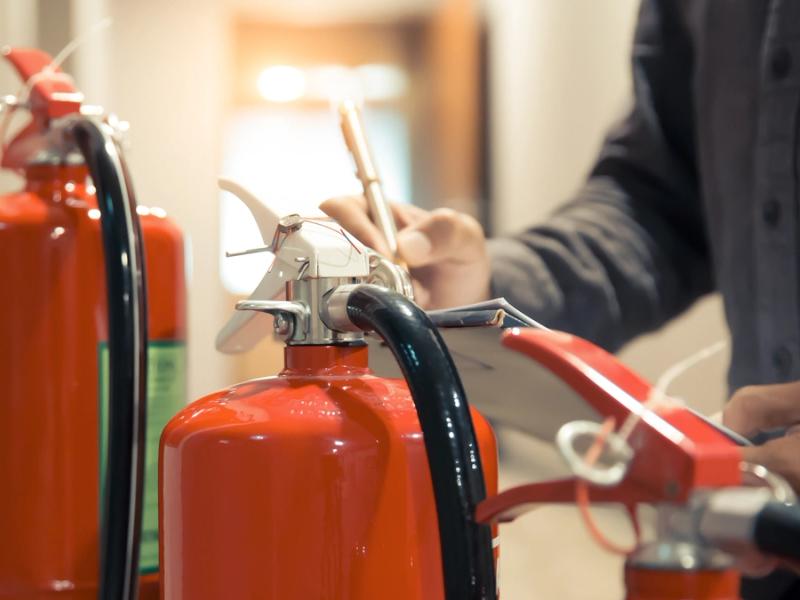
IMPAC Training
Category overview
Having a fire extinguisher mounted on the wall or a designated warden's name on a noticeboard means absolutely nothing if panic takes over when an actual fire breaks out. Treating emergency response like an annual tick-box exercise — or assuming people will figure it out on the fly — is exactly how a minor incident spirals into something far worse.
IMPAC's trainers are practitioners, not theorists, and it shows in how this training is delivered. Rather than passive lectures and generic safety videos, learners get a dynamic mix of in-depth fire science and hands-on, scenario-based practice — from physically deploying a fire blanket to managing a complex building evacuation or overseeing high-risk hot works.
Whether you're grabbing an extinguisher in an emergency, supervising high-risk hot works, or leading an evacuation as a designated fire warden, IMPAC's courses build capable people with the quiet confidence to make fast, safe decisions under pressure and get everyone out safely when it matters most.
Key Focus Areas
What this training covers
Practical Fire Suppression
Gain hands-on, tactile experience identifying fire classes, selecting the right suppression method, and physically operating extinguishers and fire blankets.
Evacuation Leadership
Learn the differences between staged and total evacuations, how to coordinate effective fire drills, and how to liaise confidently with emergency services.
Hazard Identification and Fire Science
Understand how fires start and spread. Develop the capability to identify fuel sources, mitigate risks, and implement robust fire prevention measures in the workplace.
Hot Works and Fire Watch Protocols
Understand how to enforce hot work permits, monitor high-risk activities, and carry out the post-work fire watches needed to prevent delayed ignition.

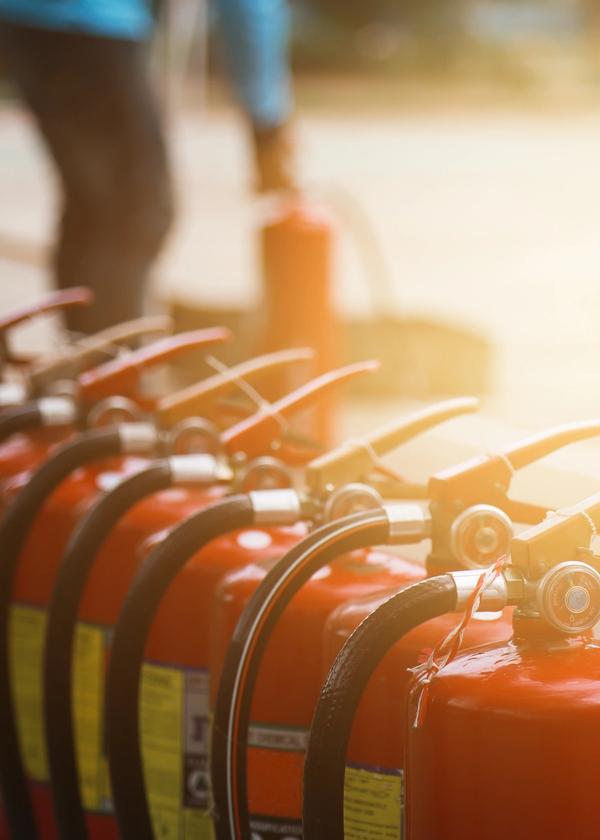
Available Courses
Our Fire Safety courses
Working with New Zealand's legal framework
Applicable Safety Regulations and Standards
Fire warden and fire extinguisher training includes understanding relevant legislation, standards, and guidance. Relevant legislation and standards include:
- Health and Safety at Work Act 2015 (HSWA) — Outlines the PCBU's duty to ensure the health and safety of workers, including the provision of adequate emergency response plans and equipment.
- Fire and Emergency NZ (Fire Safety, Evacuation Procedures, and Evacuation Schemes) Regulations 2018 — The legal requirements for maintaining effective evacuation schemes and ensuring personnel are trained to manage them.
- Health and Safety at Work (General Risk and Workplace Management) Regulations 2016 — Creates a specific duty for PCBUs to prepare, maintain, and implement an emergency plan, including procedures for fire and evacuation.
- Building Act 2004 — Sets minimum requirements for fire safety systems, escape routes, and fire separations in commercial buildings.
- NZS 4503:2005 — Hand Operated Fire-Fighting Equipment — The New Zealand standard covering the selection, installation, distribution, and maintenance of portable fire extinguishers, fire hose reels, and fire blankets.
NZQA Unit Standards
Several courses within this category include NZQA unit standards, including:
- US 3271 — Suppress fire using hand extinguishers and fixed hose reels
- US 4647 — Demonstrate knowledge of the basic principles of fire science
- US 18408 — Demonstrate knowledge of fire and emergency warden duties in the workplace
Who Should Enrol
Industries and Roles
Fire Wardens and Team Leaders
Personnel tasked with taking charge during an emergency, ensuring floors are cleared, panic is managed, and the building is safely evacuated.
General Staff and HR Professionals
Everyday employees who need the practical confidence to correctly use a fire extinguisher or blanket to suppress a small fire before it spreads.
Contractors and Hot Works Operators
Welders, fabricators, and dedicated Fire Watch personnel operating in high-risk environments where sparks, heat, and flammable materials are present.
Facilities and Operations Managers
Leaders responsible for designing, implementing, and maintaining the overarching emergency preparedness and evacuation schemes for their sites.
FAQs
Frequently asked questions