Refresher Training

AdobeStock_349435271.jpeg

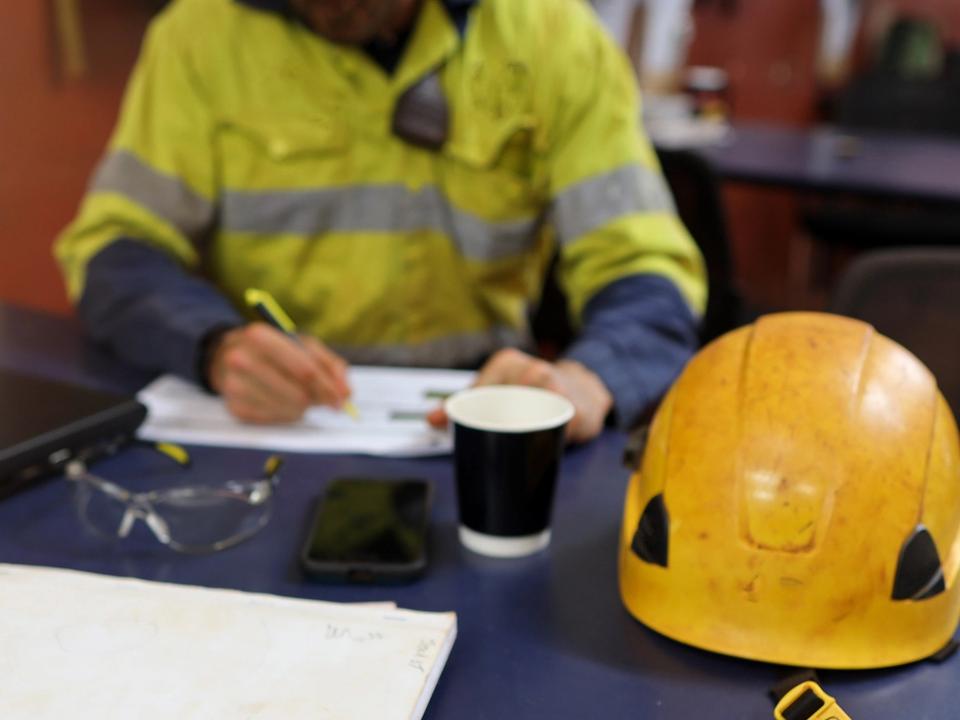
IMPAC's refresher courses help workers maintain current competencies and stay up to date with evolving health and safety requirements and best practice.

Refresher Training 1.png

IMPAC Training

Category overview

Regular refresher training ensures that skills and knowledge remain current. Many certifications and competencies require periodic renewal. Our refresher courses provide efficient, focused updates for previously trained workers.

Key Focus Areas

What this training covers


Content for this section is being developed.

Refresher-Training-1.jpg

Available Courses

Our Refresher courses

Who Should Enrol

Industries and Roles

Certificate Holders

Workers whose certifications or competencies are due for renewal or recertification.

Compliance Teams

Organisations maintaining compliance by ensuring worker training remains current.

Returning Workers

Workers returning from extended leave who need to refresh their safety knowledge and skills.

All Industries

All industries where periodic refresher training is required by regulation or best practice.


FAQs

Frequently asked questions

Refresher-Training-1.jpg

Yes. Under the Health and Safety at Work Act 2015 (HSWA), PCBUs (Persons Conducting a Business or Undertaking) must ensure that workers who enter or work in confined spaces are adequately trained and competent. WorkSafe New Zealand's guidelines reinforce that training must cover hazard identification, gas detection, emergency procedures, and the use of personal protective equipment. Failure to provide appropriate training can result in enforcement action.

A confined space is an enclosed or partially enclosed area that is not designed or intended for continuous human occupancy, has limited or restricted entry and exit, and may have a hazardous atmosphere, a risk of engulfment, or other conditions that could pose a health or safety risk. Common examples include tanks, silos, vats, pits, sewers, tunnels, shafts, and ducts.

Our courses cover a range of topics tailored to the specific unit standard or learning outcome, including:

  • Identifying confined space hazards and atmospheric risks
  • Safe use, calibration, and bump testing of gas detection equipment
  • Permit-to-work systems and entry/exit procedures
  • Rescue planning and emergency response
  • Roles and responsibilities of entrants, standby persons, and supervisors
  • Legal requirements under HSWA 2015 and relevant NZQA unit standards

These courses are designed for anyone who may enter, work in, or supervise work in confined spaces. This includes confined space entrants, standby persons, gas testers, site supervisors, health and safety officers, and managers responsible for confined space operations. Industries that commonly require this training include construction, mining, petrochemical, utilities, water treatment, and manufacturing.

WorkSafe New Zealand recommends that confined space training be refreshed regularly to maintain competency — typically every two to three years, or sooner if there are changes to legislation, workplace procedures, or equipment. Gas detection instruments should be calibrated according to the manufacturer's recommendations, and bump tested before each use to ensure accurate readings.