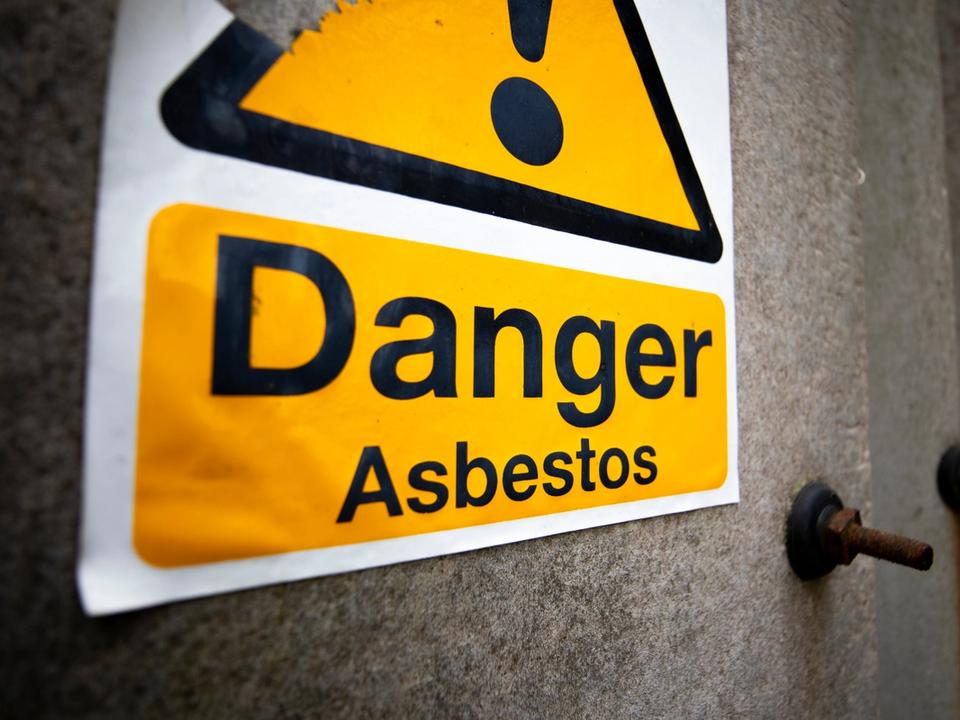
Asbestos Training
NZQA-aligned, practical asbestos identification, management, and removal training for New Zealand workplaces.
Under the Health and Safety at Work (Asbestos) Regulations 2016, PCBUs must ensure workers who may be exposed to asbestos receive adequate information and instruction. IMPAC's courses move beyond paperwork to give your people the practical capability to identify, manage, and safely remove asbestos-containing materials on site.

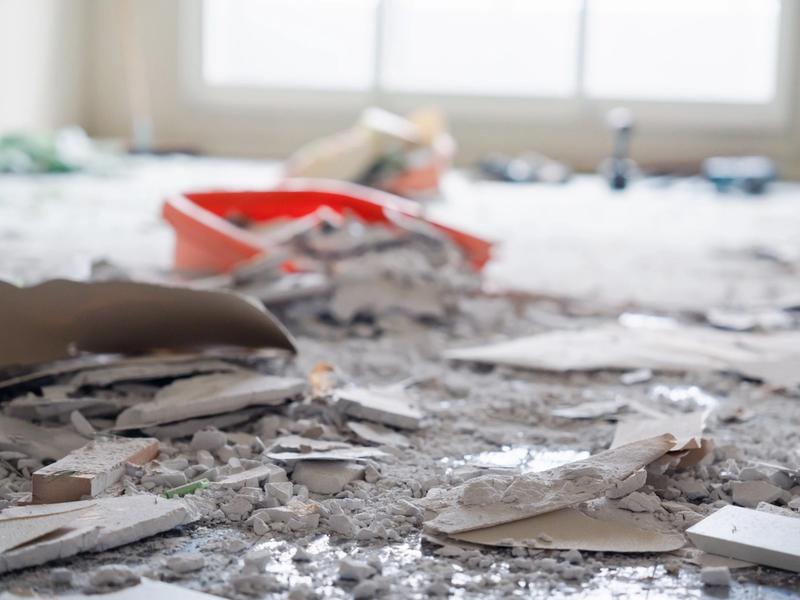
IMPAC Training
Category overview
Treating asbestos as a purely administrative problem is a fatal mistake. A 300-page health and safety manual sitting in a site office will not stop a builder from cutting into an asbestos-backed soffit, and a generic hazard register will not protect a plumber's lungs from microscopic, lethal fibres.
At IMPAC we are practitioners, not theorists. Our suite of asbestos courses—from essential awareness training through to A-Class removal and supervisor qualifications—strips away the bureaucratic noise. With over 20 years delivering health and safety education across New Zealand, we know that theoretical compliance doesn't survive contact with the real world.
Awareness training equips frontline workers with the knowledge to identify suspected asbestos-containing materials (ACMs) and stop work safely before exposure occurs. For specialists tasked with removal, our advanced NZQA-aligned courses build the practical capability required to execute safe removals and manage decontamination.
Key Focus Areas
What this training covers
Identifying asbestos-containing materials
Recognise the common forms and locations of ACMs in pre-2000 buildings — from soffits and roofing sheets to vinyl tiles, textured ceilings, and pipe lagging — so workers can stop work safely before exposure.
Safe work practices around asbestos
Apply the practical controls that keep airborne fibres out of workers' lungs — including PPE selection, dust suppression, wet work methods, and decontamination of tools and clothing.
Removal and decontamination procedures
For licensed removalists and supervisors, master the rigorous A-Class (friable) and B-Class (non-friable) removal protocols, including Asbestos Removal Control Plans (ARCPs), Safe Work Method Statements (SWMS), and Job Safety Analysis (JSA).
PCBU compliance and management plans
Translate the Health and Safety at Work (Asbestos) Regulations 2016 into actionable management plans and audited documentation that survive a WorkSafe visit.

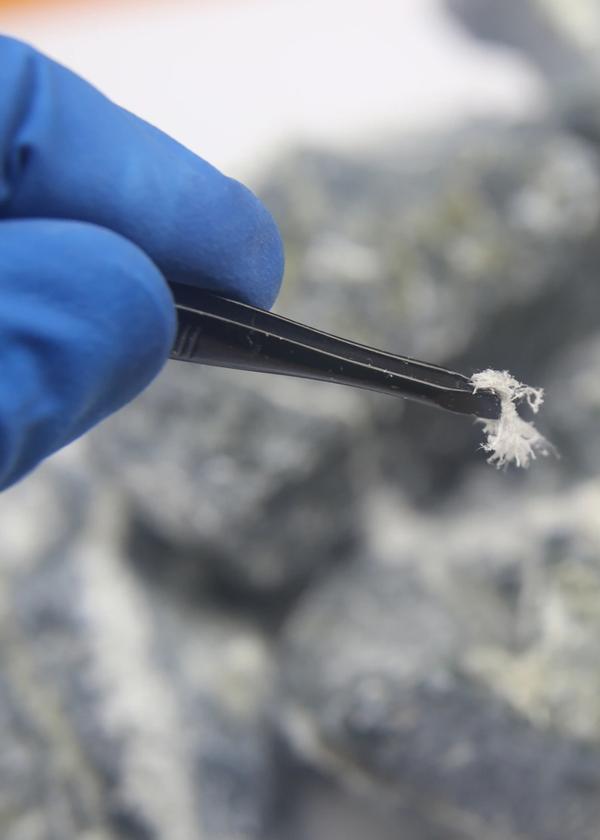
Available Courses
Our Asbestos Training courses
Working with New Zealand's legal framework
Applicable Safety Regulations and Standards
Asbestos work in New Zealand is governed by a strict framework of legislation and guidance. Our training ensures your team can confidently navigate and apply these requirements on site:
- Health and Safety at Work Act 2015 (HSWA) — The primary legislation outlining the duty of care for PCBUs to eliminate or minimise risks to worker health.
- Health and Safety at Work (Asbestos) Regulations 2016 — Specific duties for identifying, managing, and removing asbestos-containing materials, including licensing of removal work.
- WorkSafe New Zealand Guidance — Practical, regulatory expectations for asbestos management plans, removal control plans, and air monitoring.
- PCBU Documentation — Where removal work is conducted, PCBUs must maintain Asbestos Removal Control Plans (ARCP), Safe Work Method Statements (SWMS), and Job Safety Analyses (JSA).
NZQA Unit Standards
Several courses within this category include NZQA unit standards, including:
- US 29765 - Remove non-friable asbesto
- US 29766 - Remove friable asbestos
- US 29767 - Supervise asbestos removal
- US 30596 - Demonstrate knowledge of asbestos and safety measures for asbestos-related work
Who Should Enrol
Industries & Roles
Construction & Demolition
Builders, roofers, painters, and demolition workers cutting into or disturbing structures built or refurbished before 2000.
Trades & Maintenance
Electricians, plumbers, and facilities maintenance staff who may unknowingly disturb asbestos-containing materials during routine work.
Property & Facilities Managers
Building managers and property owners responsible for asbestos management plans and ongoing compliance for existing buildings.
Health & Safety Professionals
H&S managers and officers overseeing asbestos management, removal control plans, and PCBU compliance across sites.
FAQs
Frequently Asked Questions