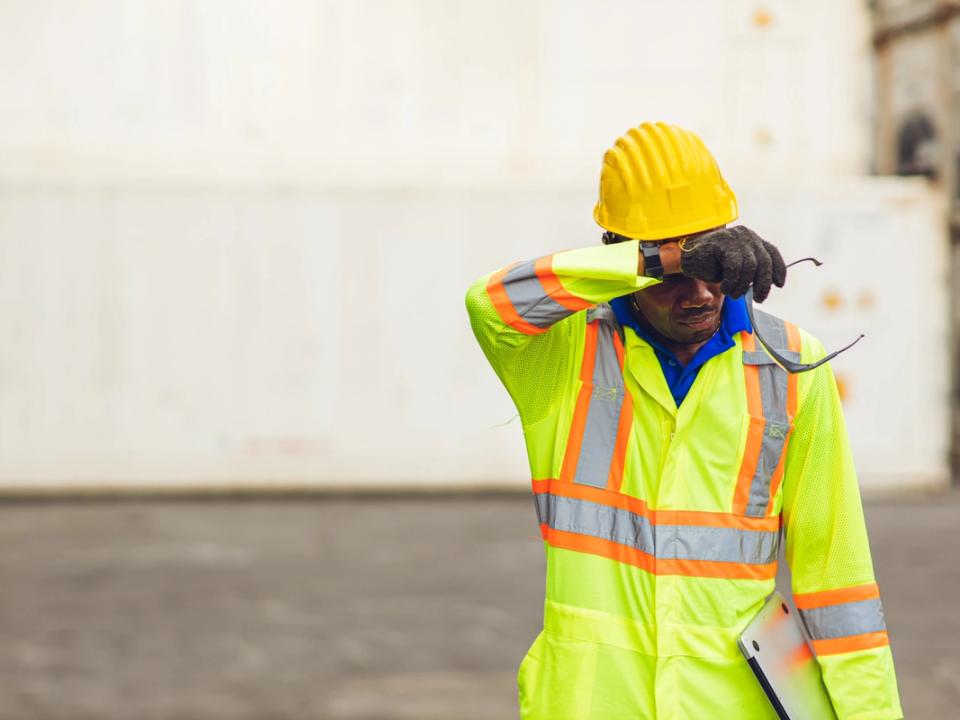
Health and Safety Training
Practical workplace health and safety training that helps people recognise risks that are often treated as “part of the job” and apply controls to protect long-term health.
A "tough it out" or "she'll be right" attitude can have serious long-term consequences when it comes to workplace health hazards. The effects of exposure to excessive noise and extreme temperatures are not always immediate or obvious, which can make these risks easy to underestimate. IMPAC's workplace health and safety training provides practical knowledge to help people recognise these risks, understand their effects, and apply appropriate controls.


IMPAC Training
Category overview
Treating workplace noise and environmental temperatures as just "part of the job" can lead to workplace health risks being underestimated. Unlike many safety hazards, the effects of exposure are not always immediate or obvious, which can make it easy to overlook the need for effective controls and safe work practices.
Our industry-experienced trainers use realistic examples and workplace scenarios to help learners understand the effects of noise and environmental conditions, and the practical controls that can be used to manage these risks.
Whether you are exposed to workplace noise or extreme temperatures, our courses help you build the knowledge and confidence needed to recognise risks, apply appropriate controls, and protect long-term health.
Key Focus Areas
What this training covers
Hearing Conservation and Sound Measurement
Understanding workplace noise hazards, sound measurement principles, and the elements of an effective hearing conservation programme.
Thermal Risk Awareness and Management
Awareness of how hot and cold environments can affect health, and the controls used to manage thermal risks in the workplace.
Environmental Assessment and Task Planning
Assessment of environmental conditions and planning considerations that help minimise exposure to workplace health hazards.
Personal Protective Equipment (PPE) Selection and Fit-for-Purpose Application
Selection and use of PPE appropriate to workplace conditions and health risks.

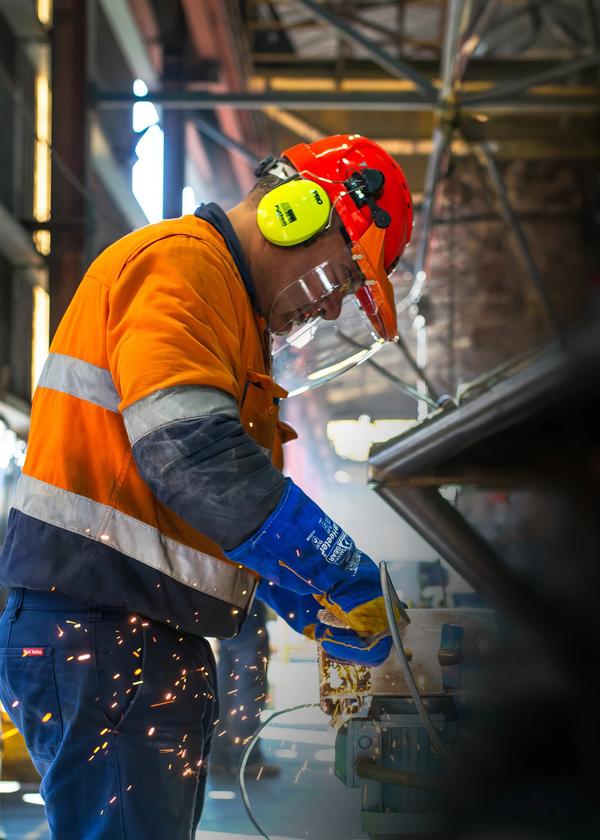
Available Courses
Our Health & Safety courses
Working with New Zealand's legal framework
Applicable Safety Regulations and Standards
Managing workplace health risks associated with noise and extreme temperatures requires an understanding of the legislation, regulations, and guidance that apply. Relevant legislation, regulations, and guidance include:
- Health and Safety at Work Act 2015 (HSWA) — New Zealand's primary workplace health and safety legislation, requiring PCBUs to eliminate risks so far as is reasonably practicable or, where that is not possible, minimise them.
- Health and Safety at Work (General Risk and Workplace Management) Regulations 2016 — Supports the identification of workplace hazards and the use of controls to protect workers from health and safety risks.
- WorkSafe New Zealand Guidelines — Provides practical guidance on managing workplace noise, thermal environments, worker exposure, and appropriate control measures.
- Workplace Exposure Limits and Exposure Standards — Provide recognised benchmarks for assessing worker exposure and determining when controls may be required to protect health.
NZQA Unit Standards
Courses within this category include NZQA unit standards, including:
- US 17585 — Demonstrate knowledge of working safely in extremes of temperature
- US 17594 — Demonstrate knowledge of hearing conservation in the workplace
Who Should Enrol
Industries and Roles
Workers
Workers who may be exposed to workplace noise or extreme temperatures as part of their role.
Supervisors and Managers
Leaders responsible for planning work activities and ensuring appropriate controls are in place to protect worker health.
Health and Safety Professionals
Health and safety practitioners responsible for identifying workplace health risks and supporting effective risk management.
Outdoor and Field-Based Workers
Workers in industries such as construction, agriculture, and infrastructure where exposure to environmental conditions may increase workplace health risks.
FAQs
Frequently asked questions