Machinery Training Courses
Practical, NZQA-aligned operator training for forklifts, MEWPs, and heavy civil plant — built to dismantle complacency and validate competence.
Aligned with the Health and Safety at Work Act 2015 and the Land Transport Act 1998, IMPAC's machinery training equips operators with the precise mechanical and technical skills to handle heavy plant, forklifts, and Mobile Elevated Work Platforms (MEWPs). We dismantle the "she'll be right" mentality and force both new and experienced operators to actively validate their competence.

IMPAC Training
Category overview
A three-ton forklift or a heavy civil roller is not a go-kart. When operators treat high-risk machinery casually — skipping morning pre-start checks, ignoring complex load charts, or failing to establish rescue plans before working at height — they create a lethal environment for everyone on site. The most dangerous person on the crew is often the veteran who relies on "I've driven these for twenty years, I'll be fine."
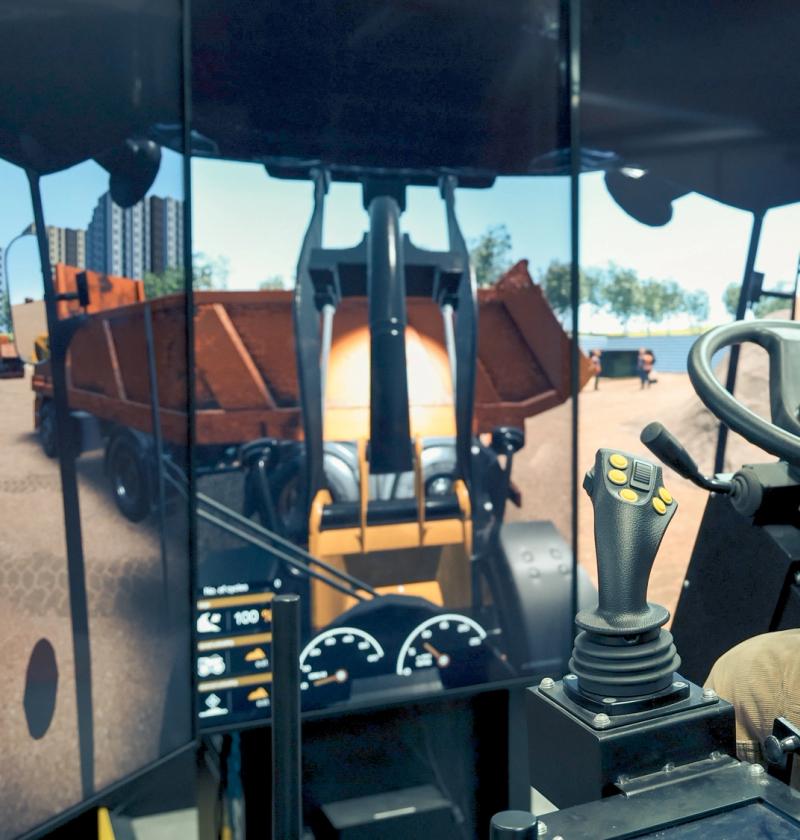
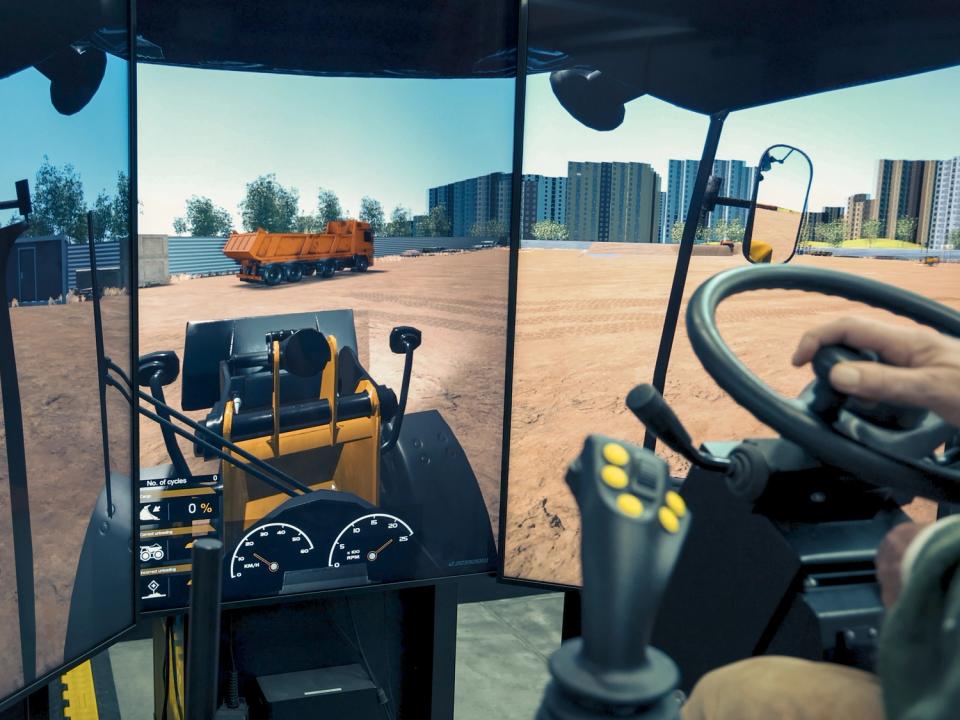
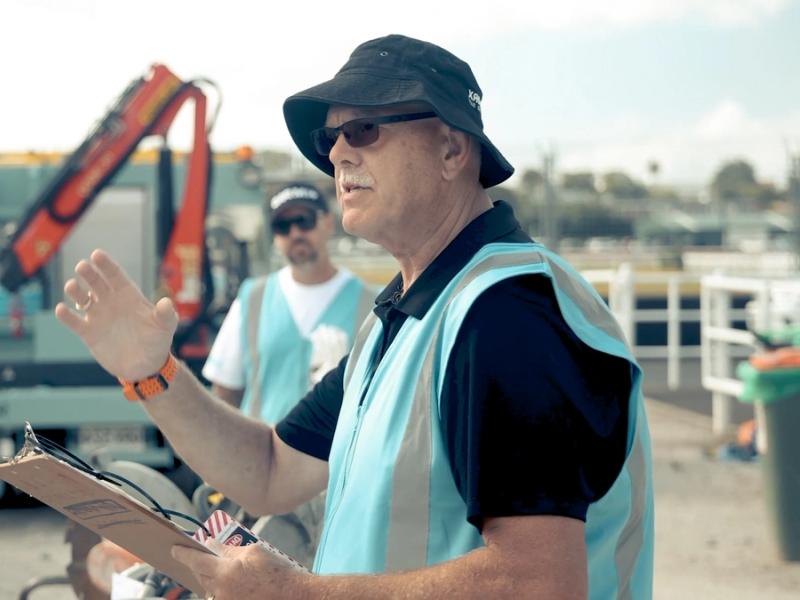
At IMPAC we are practitioners, not theorists. Whether you need W, T, and R endorsements for civil plant, Forklift certifications for the warehouse, or MEWP training for working at heights, we bypass the basic "tick-box" approach to licensing. Our industry-experienced trainers get operators off the slide deck and onto the physical machines, using advanced VR simulators to safely test reaction times in complex, high-pressure scenarios.
We focus heavily on the non-negotiables: rigorous pre-operational checks, accurate worksite assessments, and flawless shutdown procedures. IMPAC equips your team with the validated NZQA Unit Standards and the technical precision required to maneuver safely in dynamic environments — so the job gets done efficiently and everyone goes home safely.
Key Focus Areas
What this training covers
Heavy Civil Plant (wheels, tracks, and rollers)
Overcome overconfidence on the civil site. Execute safe driving procedures, accurately mitigate construction site hazards, and secure the legal W, T, and R endorsements required to operate special-type vehicles.
Forklift Operations (including F Endorsement)
Master the mechanics of heavy lifting. Validate competence in handling diverse loads, conducting strict pre-operational inspections, and executing safe parking and shutdown protocols, with options for on-road legal compliance.
Mobile Elevated Work Platforms (MEWPs)
Respect the gravity of working at heights. Develop the precise technical skills to safely assess ground conditions, navigate overhead hazards, and implement critical rescue plans for scissor lifts, self-propelled booms, and other elevated platforms.
Refresher training and competency verification
Break dangerous muscle memory. Force experienced operators to strip away shortcuts, update their legal knowledge, and re-validate their physical competence to maintain active NZQA Unit Standards.
Available Courses
Our Machinery Training courses
Working with New Zealand's legal framework
Applicable Safety Regulations and Standards
Operating heavy machinery requires strict adherence to legal and technical boundaries. Our training ensures your operators confidently apply these critical standards:
- Health and Safety at Work Act 2015 (HSWA) — The primary legislation dictating the absolute duties of operators to protect themselves and others from the hazards created by mobile plant.
- Land Transport Act 1998 — The legal framework governing the on-road use of special-type vehicles, directly tied to F, W, T, and R driver licence endorsements.
- Driver Licensing Endorsements — F, W, T, and R endorsements issued by Waka Kotahi NZTA for operating forklifts and special-type vehicles on the road.
- WorkSafe NZ Good Practice Guidelines — Practical expectations for safe operation of forklifts, MEWPs, and mobile plant on New Zealand worksites.
NZQA Unit Standards
Several courses within this category include NZQA unit standards, including:
- US 10851 — Operate a powered industrial lift truck (forklift)
- US 16701 — Demonstrate knowledge and skills for driving on a road for endorsement W (wheels)
- US 16702 — Demonstrate knowledge and skills for driving on a road for endorsement R (rollers)
- US 16703 — Demonstrate knowledge and skills for driving on a road for endorsement T (tracks)
- US 18496 — Demonstrate knowledge and skills for driving a forklift on a road for endorsement F
- US 23960 — Assess the worksite, prepare and operate a scissor lift elevating work platform (EWP)
- US 23961 — Assess the worksite, prepare and operate a truck-mounted elevating work platform (EWP)
- US 23962 — Assess the worksite, prepare and operate a self-propelled boom lift elevating work platform (EWP)
- US 23963 — Assess the worksite, prepare and operate a trailer-mounted elevating work platform (EWP)
- US 23964 — Assess the worksite, prepare and operate a vertical lift elevating work platform (EWP)
- US 23966 — Describe types of elevating work platforms (EWPs), and industry requirements for their use.
Who Should Enrol
Industries and Roles
Warehouse, Logistics and Manufacturing
Forklift operators and floor supervisors who need to maneuver heavy loads safely within high-traffic, dynamic indoor environments.
Civil Construction and Agriculture
Heavy plant operators requiring the legal endorsements and hazard mitigation skills to drive wheels, tracks, and rollers on complex outdoor sites.
Maintenance, Arborists and Utilities
Personnel who rely on scissor lifts and booms to perform intricate work at heights, requiring absolute discipline regarding stability and rescue protocols.
Health & Safety Professionals
H&S managers and officers responsible for machinery risk assessments, operator competency verification, and safe work procedures across sites.
FAQs
Frequently asked questions