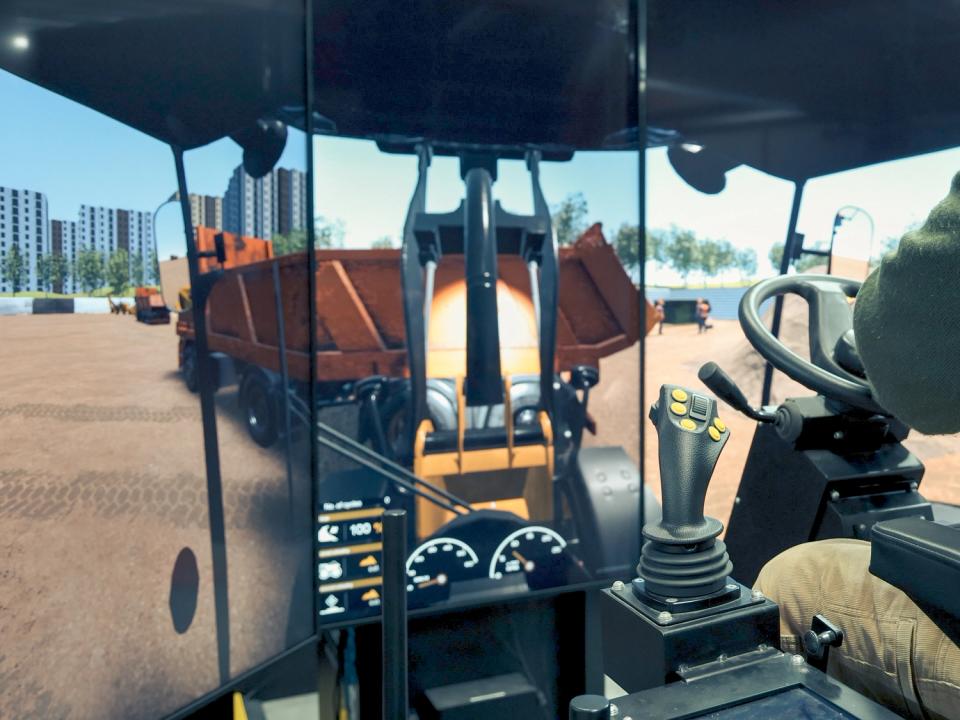


IMPAC's Training Innovation: VR Simulator Technology
Relieve the burden of traditional operator competency. IMPAC blends VR, simulators, and real-world plant for forklift, heavy vehicles, and machine competency.
IMPAC's Simulator and VR training pathway equips operators with the practical skills to safely manage heavy vehicles and mobile plant. We bridge the gap between classroom theory and on-the-iron reality, eliminating subjective guesswork and costly inexperience to build a proven, work-ready workforce.

IMPAC Training
Beyond the Classroom
We’ve been in H&S training a long time and heard what businesses have been saying: Subjective, "tick-the-box" operator assessments aren’t good enough. You need absolute certainty that your people are competent.
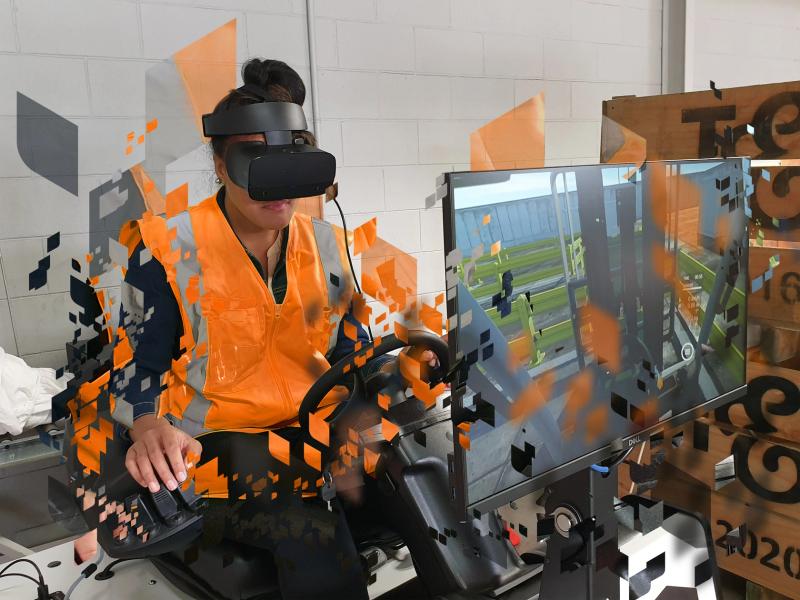
In partnership with leading global technology suppliers, IMPAC has developed a blended suite of training programmes. We combine the immersive power of virtual reality simulators with actual, "on-the-iron" real-life machinery training. This evidence-based approach is proven to produce better-skilled, highly aware, and work-ready operators significantly faster than traditional instructor-led sessions alone.
Tech + plant
A blended pathway to competence
Our simulator-enhanced training follows a strict, three-phase pathway to ensure total operational readiness
Objective Assessment
We use state-of-the-art simulators to measure a student's baseline skillset, reaction times, and operating behaviours against rigid, data-driven criteria. This removes human bias and pinpoints exact areas for improvement.
Immersive Training
Competency is built through a blended approach. Students learn the theory in the classroom, apply it in our highly realistic VR simulators, and finally transition to real-life machinery.
Rigorous Certification
Our final evaluation embraces both the objective data output of the simulators and a practical examination on the real physical equipment, ensuring absolute competence.

VR & Simulator Training Applications
Where you'll use the tech
What's in it for you?
The commercial advantage of technology
Practice without consequence
Operators can make critical errors, experience a rollover, or drop a load in the simulator without causing harm, damaging equipment, or ruining stock.
Simulate the unpredictable
We expose students to extreme scenarios they cannot safely replicate in real life—including severe weather, torrential rain, blown tyres, and suddenly crossing pedestrians.
Accelerated muscle memory
Scenario-based, highly interactive modules improve both mental retention and physical muscle memory, reducing overall training times and getting your people back to work faster.
Competency without downtime
If an operator is upskilling in a simulator, the plant stays operational. We minimise the time valuable gear is offline, preventing interruptions to production.
FAQs
Frequently Asked Questions