First Aid Training
Practical first aid training that builds the confidence to respond to emergencies and support people when they need help.
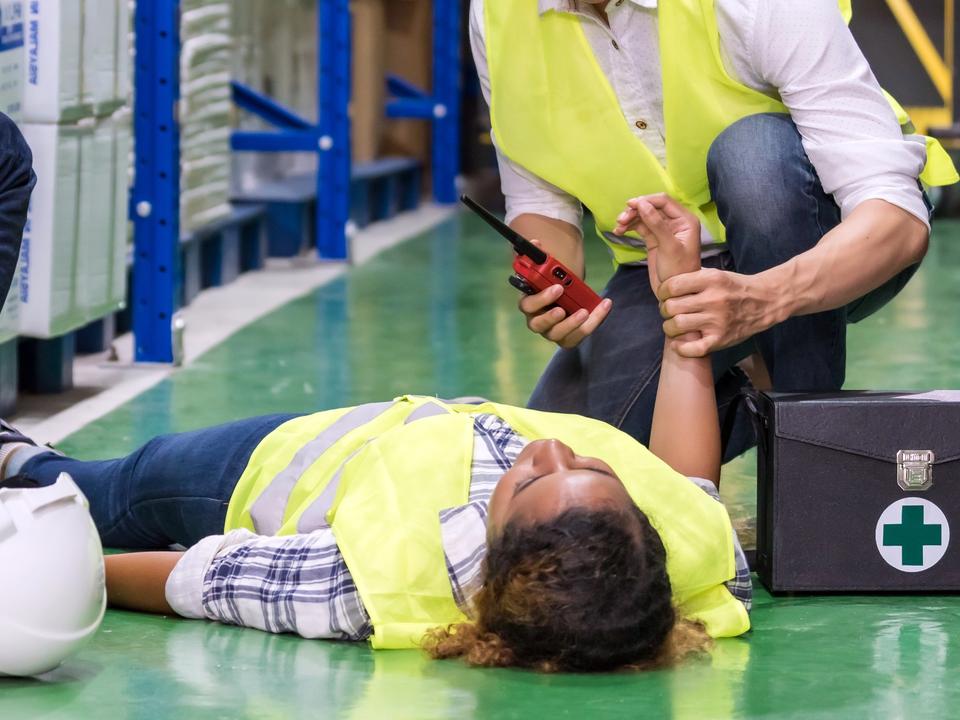
When a worker is injured or becomes unwell, the response in the first few minutes can make a significant difference. Organisations need people who can recognise what is happening, provide appropriate assistance, and support access to further help when needed. IMPAC's first aid courses provide practical training in workplace first aid, CPR, emergency response, and mental health first aid to help learners respond confidently when it matters most.

IMPAC Training
Category overview
First aid training is about more than meeting a legal requirement or gaining a certificate. Having the confidence to recognise what is happening and take appropriate action can make a significant difference while further assistance is arranged.
Our experienced trainers use realistic examples, discussion, and practical activities to help learners build confidence in applying first aid skills. The focus is on connecting theory with the realities of responding to emergencies and supporting someone when they need help.
Whether you are a new first aider, refreshing existing skills, or expanding your capability to support others, our courses help learners build confidence and develop practical skills that can be applied when it matters most.
Key Focus Areas
What this training covers
Emergency Assessment and Response
Recognise emergencies, assess the situation, and take appropriate action while protecting yourself and others.
Injury and Illness Response
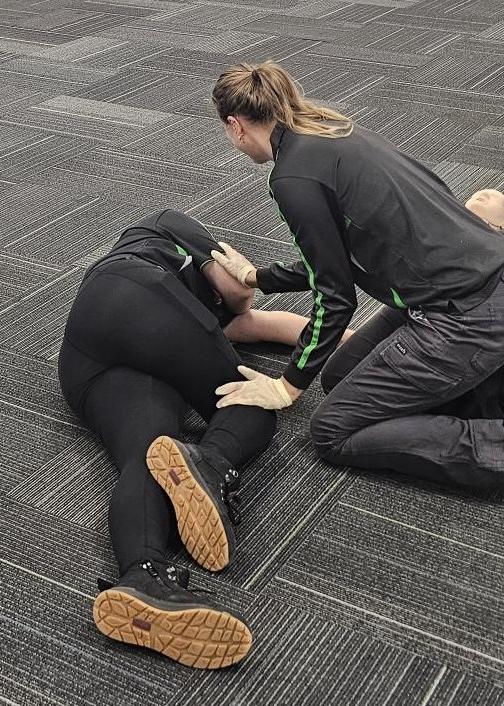
Provide initial care for injuries, sudden illness, and medical emergencies while supporting the person until further help is available.
Life Support and Emergency Care
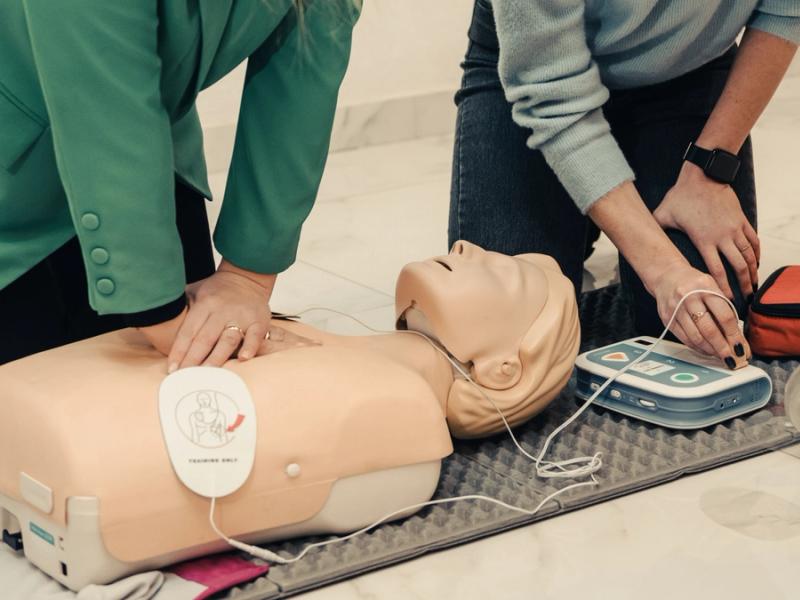
Build confidence in CPR, AED use, and other critical first aid interventions used in life-threatening situations.
Mental Health First Aid and Support
Recognise mental health problems or crises, provide initial support, and encourage access to appropriate professional and community support.

Available Courses
Our First Aid courses
Working with New Zealand's legal framework
Applicable Safety Regulations and Standards
Workplace first aid is supported by legislation and standards that help organisations determine appropriate first aid arrangements, resources, and training requirements. Relevant legislation and standards include:
- Health and Safety at Work Act 2015 (HSWA) — The primary health and safety legislation in New Zealand, requiring PCBUs to ensure workers have access to appropriate first aid arrangements where needed.
- Health and Safety at Work (General Risk and Workplace Management) Regulations 2016 — Sets requirements for first aid equipment, facilities, and trained first aiders, helping organisations determine what first aid resources are needed in their workplace.
NZQA Unit Standards
Several courses within this category include NZQA unit standards, including:
- US 6400 – Manage First Aid in an Emergency Situation
- US 6401 – Provide First Aid
- US 6402 – Provide Basic Life Support
Who Should Enrol
Industries and Roles
Workplace First Aiders
People responsible for providing initial support and assistance when someone needs help in the workplace.
Managers and Supervisors
Managers and supervisors who may be called on to provide initial support during workplace injuries, medical emergencies, or other incidents.
Remote Workers
Workers in remote or high-risk environments where access to medical services may be limited.
H&S Representatives
Health and safety representatives looking to build first aid capability alongside their wider health and safety responsibilities.
FAQs
Frequently asked questions