Virtual Reality Competency (VRC) Training

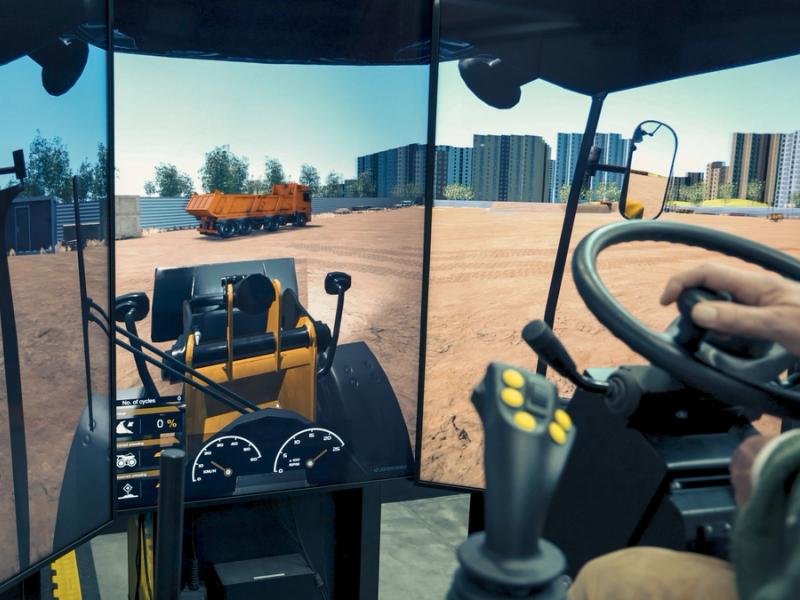
IMPAC's VRC programme uses immersive virtual reality technology to deliver realistic, scenario-based safety training that enhances competency assessment and practical skill development.

WTR-1.jpg

IMPAC Training

Category overview

Virtual reality training provides immersive, risk-free environments for workers to practise safety-critical tasks. Our VRC programme combines cutting-edge VR technology with proven training methodologies to deliver measurable competency outcomes.

Key Focus Areas

What This Training Covers


Content for this section is being developed.

WTR-2.jpg

Available Courses

Our VRC Courses

Who Should Enrol

Industries & Roles

High-Risk Workers

Workers in high-risk environments who benefit from practising emergency scenarios in a safe virtual setting.

Training Managers

Organisations seeking innovative approaches to competency assessment and verification.

Remote & Hazardous Sites

Teams working in environments that are difficult or dangerous to replicate for training purposes.

All High-Risk Industries

Industries including construction, energy, mining, and manufacturing where realistic scenario training improves outcomes.


FAQs

Frequently Asked Questions

WTR-3.jpg

Yes. Under the Health and Safety at Work Act 2015 (HSWA), PCBUs (Persons Conducting a Business or Undertaking) must ensure that workers who enter or work in confined spaces are adequately trained and competent. WorkSafe New Zealand's guidelines reinforce that training must cover hazard identification, gas detection, emergency procedures, and the use of personal protective equipment. Failure to provide appropriate training can result in enforcement action.

A confined space is an enclosed or partially enclosed area that is not designed or intended for continuous human occupancy, has limited or restricted entry and exit, and may have a hazardous atmosphere, a risk of engulfment, or other conditions that could pose a health or safety risk. Common examples include tanks, silos, vats, pits, sewers, tunnels, shafts, and ducts.

Our courses cover a range of topics tailored to the specific unit standard or learning outcome, including:

  • Identifying confined space hazards and atmospheric risks
  • Safe use, calibration, and bump testing of gas detection equipment
  • Permit-to-work systems and entry/exit procedures
  • Rescue planning and emergency response
  • Roles and responsibilities of entrants, standby persons, and supervisors
  • Legal requirements under HSWA 2015 and relevant NZQA unit standards

These courses are designed for anyone who may enter, work in, or supervise work in confined spaces. This includes confined space entrants, standby persons, gas testers, site supervisors, health and safety officers, and managers responsible for confined space operations. Industries that commonly require this training include construction, mining, petrochemical, utilities, water treatment, and manufacturing.

WorkSafe New Zealand recommends that confined space training be refreshed regularly to maintain competency — typically every two to three years, or sooner if there are changes to legislation, workplace procedures, or equipment. Gas detection instruments should be calibrated according to the manufacturer's recommendations, and bump tested before each use to ensure accurate readings.